Introducing preschoolers to social-emotional learning through engaging stories helps young children navigate feelings, practice empathy, and develop essential communication skills. The following five books, sourced from trusted publishers, offer age-appropriate guidance on friendship, sharing, anger management, and calm-communication strategies. Each title is selected for its proven usefulness in early childhood settings and家庭 readers seeking constructive classroom or home experiences.
| Product | Author / Brand | Key Benefit |
|---|---|---|
| Key Education Social Skills Activities for Kids | Christine Schwab; Kassandra S. Flora M.S. CCC-SLP | Communication, emotions, manners, calming strategies |
| How to Be a Friend: A Guide to Making Friends and Keeping Them | Laurie Krasny Brown; Marc Brown | Friendship basics, social cooperation |
| I Am Stronger Than Anger | Elizabeth Cole | Anger management and self-regulation |
| Share and Take Turns | Cheri J. Meiners M.Ed. | Sharing, cooperation, getting along |
| This Is How We Make Friends: For kids going to preschool | DK | Preschool friendship skills, social initiation |
Key Education Social Skills Activities for Kids

This mini reproducible book set supports early social-emotional learning with focused activities on communication, calming strategies, manners, and emotions. The content is designed for preschoolers and early elementary learners, providing concise exercises that teachers and parents can implement in small-group or one-on-one sessions. The included activities encourage expressiveness, listening, turn-taking, and appropriate peer interactions, aligning with common school readiness goals. The compact format makes it suitable for classrooms with limited space or for use as take-home practice.
How to Be a Friend: A Guide to Making Friends and Keeping Them

This title offers practical guidance for preschoolers on forming and maintaining friendships. It covers initiating conversations, sharing, taking turns, and resolving common social hiccups. The approachable text, paired with illustrations, helps children recognize social cues and respond with empathy. Caregivers and educators can leverage the book to model positive interactions, support shy or hesitant peers, and create a classroom culture that values inclusive play.
I Am Stronger Than Anger
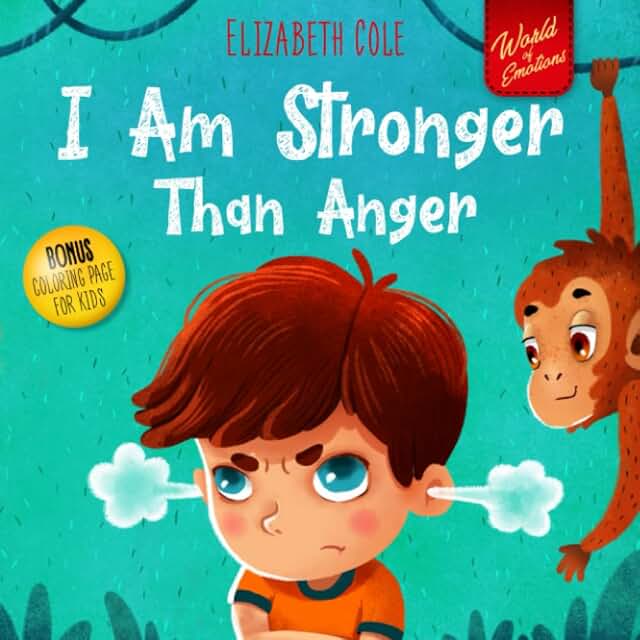
Centered on anger management and self-regulation, this picture book helps children recognize angry feelings and practice calming strategies. The narrative supports early readers in identifying triggers and choosing constructive responses, a critical step in preventing outbursts and promoting positive peer interactions. Teachers can pair the story with guided breathing exercises, emotion labeling, and role-play scenarios to reinforce the skills described.
Share and Take Turns

Focusing on cooperative play, this volume introduces the concepts of sharing, waiting for turns, and working with others. It emphasizes practical strategies for preschoolers to negotiate conflicts, express needs, and celebrate group successes. The accessible language and simple scenarios make it a reliable classroom resource for social skills centers or home practice, reinforcing routines that support harmonious peer relationships.
This Is How We Make Friends: For kids going to preschool

DK’s preschool-focused guide presents practical steps for initiating friendships, joining group activities, and navigating social situations in new settings. The book’s bright visuals and concise explanations help children anticipate social routines and reduce anxiety about starting preschool. Educators can use it to scaffold discussions about inclusion, collaboration, and respectful communication as children encounter diverse peers in diverse environments.
Buying Guide: Key Considerations For Selecting Social Skills Books For Preschoolers
- Age suitability: Look for titles explicitly designed for preschool-age learners with simple language, short sentences, and large, engaging illustrations.
- Core skills addressed: Prioritize books that cover friendship, sharing, emotional awareness, self-regulation, and verbal communication to support a well-rounded social-emotional foundation.
- Format and usability: Reproducible activities, interactive prompts, and clear, consistent structure help caregivers implement lessons at home or in classrooms.
- Accessibility and inclusivity: Choose stories that reflect diverse families, cultures, and abilities to foster empathy and belonging among all children.
- Practical activity integration: Books that offer accompanying activities, discussion questions, or role-play ideas are particularly effective for ongoing practice.
- Format considerations: Consider durability (board books or durable paperbacks for repeated handling) and portability for use in various settings.
- Supplemental resources: Some titles pair well with classroom centers, such as emotion cards, calm-down kits, or puppets, to extend learning beyond reading time.
- Measurement of impact: Pair reading with quick observations of children’s interactions, noting improvements in sharing, turn-taking, and emotion labeling over time.
- Author and publisher credibility: Books by established authors or reputable publishers often align with recognized early-learning standards and teaching practices.
- Purchase considerations: Availability, library access, and price stability can influence long-term use in a classroom or home library.
These guidelines help caregivers and educators choose titles that support preschoolers’ social development in a structured, engaging way. When used thoughtfully, books become gateways to conversations about feelings, friendships, and cooperative play—foundations for lifelong interpersonal skills.