The Charlotte Mason method emphasizes nature study and daily observation as a cornerstone of a well-rounded education. This article highlights five nature journals that pair well with Masonian practices, offering durable paper, thoughtful layouts, and space for drawings, notes, and reflections. Each chosen title aligns with a habit of careful observation and gentle handwriting that Mason herself championed. Explore these options to enrich outdoor learning, journaling routines, and reflective writing as part of daily nature study.
Summary of Selected Journals
- Nature Anatomy: The Curious Parts and Pieces of the Natural World — Storey Publishing
- Gilded Floral Journal — Peter Pauper Press
- Gilded Branch Journal — Peter Pauper Press
- Wildflower Meadow Journal — Peter Pauper Press
- Dusky Meadow Journal — Peter Pauper Press
Nature Anatomy: The Curious Parts And Pieces Of The Natural World
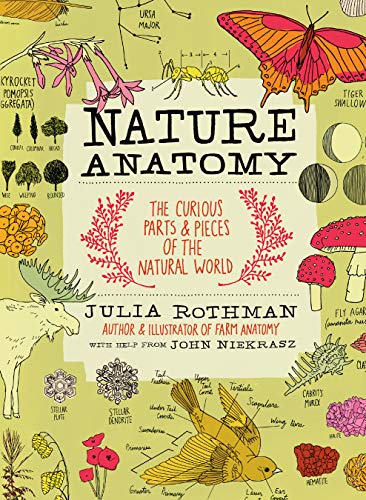
Nature Anatomy invites readers to observe the natural world with a curious eye toward its components. The book blends accessible language with engaging illustrations to explain how plants, animals, and ecosystems fit together. Ideal for Charlotte Mason-style nature study, it supports notebook entries, quick sketches, and journaling prompts that encourage students to describe, compare, and reflect on what they observe in the environment around them.
Key features: Language: English. Book format suitable for guided nature study and journaling. A practical resource to pair with field observations and copywork.
Gilded Floral Journal

Gilded Floral Journal features an eye-catching design with iridescent highlights and raised embossing, making it a delightful companion for nature notes, field sketches, and reflective writing. The journal’s decorative spine treatment adds a sense of charm that many Mason-inspired students appreciate, encouraging consistent journaling during outdoor explorations and quiet study times alike.
Key features: Eye-catching iridescent highlights. Raised embossing adds dimensional detail. Matching spine treatment enhances durability and aesthetics.
Gilded Branch Journal (Diary, Notebook)

This small-format journal is ideal for personal reflection, quick sketches, or jotting down notable quotes and poems gathered during nature walks. Premium smooth-finish 120 gsm paper supports pens or pencils, while light gray lines gently guide writing. Its compact size makes it easy for students to carry on field trips or between class activities, fitting well with a Mason-style routine of daily observation and reflection.
Key features: Premium 120 gsm paper for smooth writing. Light gray lines guide writing. Compact, personal-use format supports field journaling.
Wildflower Meadow Journal

Wildflower Meadow Journal offers smooth-finish, acid-free 120 gsm paper ideal for pen or pencil. Its design supports Brent-style nature notes, sketches, and observations of local flora. The inside back cover pocket provides space for pressed specimens, mementos, or field notes collected during outdoor sessions, aligning well with a habit of documenting discoveries in a portable, enduring format.
Key features: Smooth-finish 120 gsm paper. Acid-free archival quality. Inside back cover pocket for keepsakes and notes.
Dusky Meadow Journal

Dusky Meadow Journal provides ample space with 160 crisp pages for reflections, sketches, and poetic notes inspired by nature walks. Its smooth 120 gsm paper accommodates pens and pencils well, and the archival-grade, acid-free paper ensures durability for long-term keeping. This journal can be a reliable companion for daily nature study, capturing observations, seasonal changes, and personal insights during a Mason-inspired program.
Key features: 160 pages of writing space. Smooth 120 gsm paper. Acid-free archival quality for longevity.
Buying Guide
- Paper quality and compatibility: Look for journals with 120 gsm or higher, smooth finish to support pen and pencil drawing without bleed-through. Acid-free, archival-quality pages help preserve notes and sketches.
- Size and portability: Choose a size that fits inside a field bag or a student’s notebook collection. Compact formats are convenient for field trips, while larger journals provide more space for diagrams and longer writing pieces.
- Design and layout: Consider journals with light ruling or grid options if handwriting accuracy matters, plus aesthetic elements (embossing, foil) that encourage regular use without distracting from the nature study focus.
- Durability: A sturdy cover, rounded corners, and reinforced binding support frequent handling in outdoor environments, aligning with Mason-style practice of nature journaling in all weather.
- Supplemental features: Back pockets for pressed leaves, bookmarks, or quick reference tabs can increase usefulness during field observations and daily nature study sessions.
- Editorial approach: Some titles emphasize anatomy and natural components, while others focus on reflective journaling and quotes; choose based on whether you want more scientific observation or more expressive writing alongside nature study.
- Age and alignment: For younger students following the Charlotte Mason method, simpler layouts with guided prompts can ease consistency, while older students may prefer more open-ended journaling and sketching space.