Explore a curated mix of high school–appropriate forensic science resources and related science workbooks designed to reinforce critical thinking, lab skills, and evidence-based reasoning. This collection includes investigation workbooks, standard-aligned biology practice, and hands-on crime-scene kits to supplement classroom or homeschool curricula. Each item supports inquiry-based learning, helping students build deductive reasoning while understanding core scientific concepts behind forensics.
The following table summarizes selected products to help you compare focus areas, grade suitability, and key features at a glance.
| Product | Brand | Grade Range / Relevance | Key Focus |
|---|---|---|---|
| Mark Twain Forensic Investigations Workbook | Mark Twain Media | Middle School | Handwriting, fingerprinting, interpretation, and deductive reasoning |
| Criminalistics: An Introduction to Forensic Science (10th Edition) | PEARSON EDUCATION | High School | Foundational casework, laboratory methods, and theoretical context |
| Crime Scene Forensic Science Kit: Solve The Missy Hammond Murder | Crime Scene | K-12 (hands-on) | Hands-on evidence testing and case file exploration |
| The Everything Kids’ Science Experiments Book | Simon & Schuster | All ages; general science literacy | Engaging experiments across physics, chemistry, and earth science |
| The 100 Series Biology Workbook—Grades 6-12 | Carson Dellosa Education | Grades 6-12 | Biology vocabulary, standards-aligned practice, and review |
Mark Twain Forensic Investigations Workbook

This workbook engages students with crime-scene scenarios that emphasize deductive reasoning. It includes interpretive handwriting, body language, fingerprinting, and other activities designed to broaden evidence interpretation. Most scenarios offer more than one plausible outcome, encouraging flexible thinking and collaborative problem solving. Although aimed at middle school audiences, the book provides valuable foundational activities for introductory forensic study and can be used as a bridge to higher-level analysis in high school settings.
The 100 Series Biology Workbook
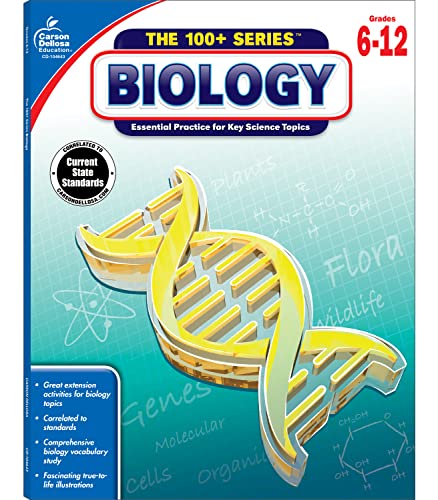
Designed to reinforce biology fundamentals, this workbook offers standards-aligned activities and extensive vocabulary study. While not exclusively forensic, understanding biology is essential for interpreting biological evidence on crime scenes. The workbook’s practice pages help students build fluency in core terms and concepts, supporting more advanced forensic coursework that intersects genetics, cellular biology, and anatomy. Teachers may leverage the book to scaffold high school forensic science lessons with solid biological background.
Criminalistics: An Introduction to Forensic Science

This tenth edition provides a comprehensive introduction to forensic science, covering laboratory techniques, trace evidence, and the scientific basis for criminal investigations. It blends theory with real-world casework, explaining how lab results translate into evidence in courts. It serves as a core reference for high school or introductory college courses, offering structured chapters, experiments, and discussion prompts that promote analytical thinking and evidence-based conclusions. The book remains a standard resource for foundational forensic study.
Crime Scene Forensic Science Kit: Missy Hammond Murder
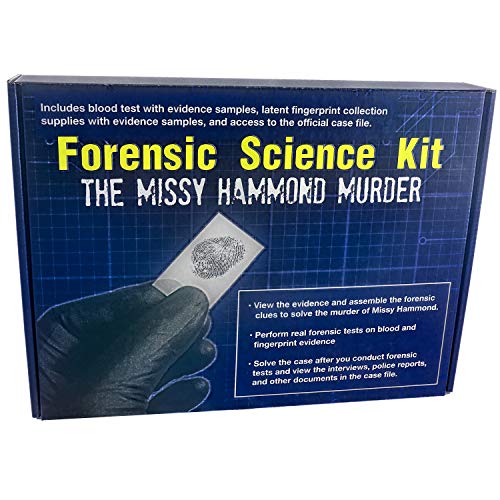
This hands-on kit provides practical forensic activities to analyze evidence and study investigative processes. Students can use included materials to perform tests similar to those used by professionals, such as fingerprinting practices and latent print exploration, alongside a police case file. The kit supports inquiry-based learning and helps students connect physical evidence with logical reasoning. Internet access may be required for full case-file components or supplementary resources.
The Everything Kids’ Science Experiments Book
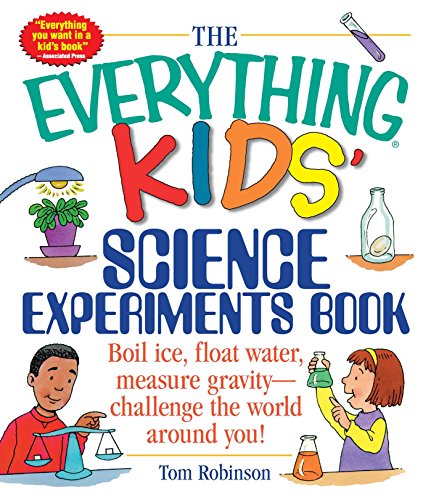
Though not exclusively forensic, this compilation offers 65 hands-on experiments spanning physics, chemistry, and earth science. Forensic-minded educators can use select activities to reinforce scientific inquiry, measurement, and data analysis skills. The approachable format makes it suitable for independent study or group work, and it can complement more advanced forensic materials by building curiosity and foundational lab competencies in younger students or mixed-ability classrooms.
Mark Twain Grades 5-8 General Science Workbook

This general science workbook covers solar system, weather, energy, natural disasters, and biology topics aligned with NSE standards. While not focused exclusively on forensics, it provides broader science competencies that support forensic education, such as critical thinking, data interpretation, and cross-disciplinary connections. It can be used as a supplementary resource in a high school forensics unit to reinforce essential scientific literacy.
Buying Guide: Key Purchase Considerations For Forensic Science Education
When selecting resources to build a high school forensic science curriculum, consider the following factors to ensure alignment with learning goals, standards, and classroom logistics.
- Grade alignment and scope: Prioritize titles clearly positioned for high school or capable middle-to-high school transitions. Look for clear ties to biology, chemistry, and evidence interpretation to support forensic coursework.
- Hands-on vs. text-based balance: Combine labs, kits, and activity-driven workbooks with theory-driven texts to build both practical skills and conceptual understanding. Hands-on materials reinforce procedural thinking and data collection.
- Standards alignment: Choose resources aligned to state or national science standards. This helps with accreditation, assessment readiness, and cross-curricular applicability.
- Evidence interpretation focus: Forensic education hinges on making inferences from data. Books and kits that emphasize multiple hypotheses, uncertainty, and justification of conclusions promote rigorous scientific thinking.
- Safety and accessibility: Ensure lab activities use safe, age-appropriate materials. For homeschool or varied classrooms, check required supplies, prerequisites, and accessibility for different learners.
- Supplementary materials: Consider companion teacher guides, answer keys, and online resources that can support lesson planning, assessment, and differentiation for diverse learners.
- Cost and availability: Assess per-student costs, long-term value, and supply stability for ongoing use throughout the school year or multiple terms.
- Cross-disciplinary integration: Look for resources that connect with biology, chemistry, physics, and math to foster a holistic scientific mindset—critical in forensic contexts.
In summary, a well-rounded high school forensic education can blend foundational science workbooks, rigorous reference texts, and engaging hands-on kits. This approach helps students build deductive reasoning, understand laboratory methods, and appreciate how scientific evidence informs real-world investigations.