Finding engaging, age-appropriate books about friendship helps children learn empathy, communication, and teamwork. The following selections cover a range of ages and styles—from gentle picture books to guided stories that teach practical social skills. Each title offers vivid illustrations, clear messages, and opportunities for discussion with parents or teachers. Read on to discover five highly regarded options that can support kids as they navigate friendships at school, in neighborhoods, and beyond.
| Product | Author / Brand | Amazon Link |
|---|---|---|
| Growing Friendships: A Kids’ Guide to Making and Keeping Friends | Dr. Eileen Kennedy-Moore, Christine McLaughlin | View on Amazon |
| How to Be a Friend: A Guide to Making Friends and Keeping Them | Laurie Krasny Brown, Marc Brown | View on Amazon |
| What Is a Friend and How to Possibly Make One? | Stephanie Chan | View on Amazon |
| The Not-So-Friendly Friend: How To Set Boundaries for Healthy Friendships | Christina Furnival, Katie Dwyer | View on Amazon |
| Kindness Makes Us Strong | Sophie Beer | View on Amazon |
Growing Friendships: A Kids’ Guide to Making and Keeping Friends

Author Dr. Eileen Kennedy-Moore and Christine McLaughlin present practical, kid-friendly guidance on building enduring friendships. The book blends research-informed insights with relatable scenarios to help children recognize healthy interactions, handle conflicts, and sustain connections over time. While designed for elementary readers, it offers actionable tips that caregivers can reinforce through practice and discussion. The tone remains objective and educational, with illustrations that support comprehension without overwhelming the narrative.
How to Be a Friend: A Guide to Making Friends and Keeping Them

Laurie Krasny Brown and Marc Brown team up to present a friendly, accessible guide on social skills for kids. The book offers clear steps for making friends, listening actively, sharing, and resolving disagreements. Its gentle humor and warm illustrations help young readers identify concrete behaviors that foster positive relationships. This selection is well-suited for classrooms or family reading time, providing discussion prompts to reinforce key concepts and encourage reflective practice.
What Is a Friend and How to Possibly Make One?

Stephanie Chan offers a playful, instructional approach to friendship skills for younger readers. The title emphasizes greetings, empathy, shared interests, and practical steps kids can take to initiate and maintain friendships. The book balances simple narratives with concrete activities, making it a useful resource for homeschoolers, early elementary classrooms, and parent-led reading sessions focused on social-emotional development.
The Not-So-Friendly Friend: How To Set Boundaries for Healthy Friendships
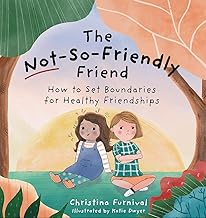
This title tackles boundary setting and healthy interaction in a child-friendly format. It examines scenarios where friendships can become overwhelming or unbalanced and provides practical strategies for saying no, voicing needs, and maintaining respect. The narrative leans into resilience, helping readers recognize when a relationship is not meeting their well-being and how to navigate that with courtesy and clarity.
Kindness Makes Us Strong

Sophie Beer presents a concise, visually engaging exploration of how kindness bonds friends and communities. While not a traditional how-to guide, the book reinforces social norms like inclusion, sharing, and supportive language through vibrant artwork and short, memorable lines. It works well as a read-aloud or independent read, helping children internalize the idea that kindness can be a foundation for lasting friendships.
Buying Guide
- Age range and readability
- Look for books labeled for early readers or elementary ages. Choose titles with clear text and engaging illustrations that match your child’s reading level and attention span.
- Themes and social skills
- Consider guides that cover making friends, empathy, listening, conflict resolution, boundaries, and kindness. A mix of narrative stories and practical strategies can maximize learning.
- Illustrations and layout
- Vivid, friendly artwork helps comprehension and retention. For newer readers, simple captions or prompts can guide discussion and reflection.
- Inclusivity and representation
- Books that reflect diverse families, cultures, and social situations support broader understanding and empathy in children.
- Format and length
- Short picture books suit younger kids, while slightly longer reads work for transitional readers. Consider a couple of medium-length options for discussion time.
- Practical activities
- Titles offering prompts, questions, or activities encourage active engagement and skill rehearsal beyond reading.
- Choose formats compatible with reading circles, parent-child reading, or classroom libraries, depending on your setting and goals.
<dtClassroom or home use