Finding engaging nonfiction for readers aged 11 can expand curiosity, foster empathy, and support classroom learning. The following selections mix gripping real-life events with accessible explanations, age-appropriate language, and thoughtful illustrations. Each title offers a window into history, science, and resilience that can captivate preteens without feeling like a textbook.
| Title | Author / Editor | Why It Stands Out |
|---|---|---|
| The Finest Hours (Young Readers Edition) (True Rescue Series) | Michael J. Tougias | Nautical disaster and heroism told for younger readers with vivid maps and firsthand detail. |
| Mistakes That Worked: 40 Familiar Inventions & How They Came to Be | Charlotte Foltz Jones, John O’Brien (Illustrator) | Delightful peek at inventive history and the creative twists that turned errors into breakthroughs. |
| Life Skills Every 11 Year Old Should Know | Hayden Fox | Practical guidance on independence, health, and critical thinking for tweens. |
| A Long Walk to Water: Based on a True Story | Linda Sue Park | Compelling narrative of resilience and water access in Africa, suitable for cross-curricular study. |
| The Boy in the Striped Pajamas (Young Reader’s Choice Award) | John Boyne | Historical fiction that invites discussion on empathy and the human impact of historical events. |
The selections below are organized to help caregivers and educators choose titles that match a young reader’s interests—adventure, science, history, or real-life stories—while maintaining age-appropriate complexity and pacing.
The Finest Hours (Young Readers Edition)

Author: Michael J. Tougias. This True Rescue Series installment recounts a dramatic U.S. Coast Guard rescue during a brutal 1952 storm. The narrative balances suspense with accessible historical context, complemented by maps and photos that support visual learners. Ideal for readers who enjoy high-stakes storytelling grounded in real events.
Mistakes That Worked: 40 Familiar Inventions & How They Came to Be

Authors: Charlotte Foltz Jones; John O’Brien (Illustrator). This lively tour through inventive history highlights the serendipitous roots of familiar inventions. The approachable anecdotes invite curiosity about problem-solving, experimentation, and the role of trial and error in progress.
Life Skills Every 11 Year Old Should Know

Author: Hayden Fox. This practical guide focuses on independence, healthy habits, and critical thinking—skills that support successful transitions into adolescence. Clear, actionable tips and kid-friendly language help readers apply ideas to daily life.
A Long Walk to Water: Based on a True Story
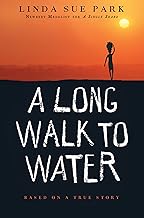
Author: Linda Sue Park. Interwoven narratives describe a girl’s and boy’s journeys in Sudan, highlighting issues of education, water access, and courage. The book offers opportunities for social studies connections and empathy-focused discussion.
The Boy in the Striped Pajamas (Young Reader’s Choice Award)

Author: John Boyne. This historical fiction title explores the impact of war through the eyes of two boys on opposite sides of a fence. It encourages readers to consider empathy, moral choices, and the human consequences of conflict.
Buying Guide: Key Purchase Considerations
- Reading level and maturity: Assess sentence length, vocabulary, and themes. Some titles lean toward straightforward narratives, while others integrate heavier historical context that may require guided discussion.
- Curriculum alignment: Look for books that connect to history, science, or social studies standards, and offer discussion prompts or integrated activities.
- Illustrations and layout: Consider the balance between text and images. Visuals can support comprehension and sustain interest for reluctant readers.
- Length and pacing: Shorter chapters and frequent chapter breaks can aid focus, while longer narratives may better develop complex themes.
- Themes and empathy: Nonfiction and historical fiction can foster empathy; review synopses to ensure the content matches your comfort level and the reader’s interests.
- Teacher and caregiver resources: Some titles include discussion questions, activities, or classroom-ready prompts that facilitate guided reading.
- Series and sequels: If a reader enjoys a title, check for related books or companion titles that deepen understanding without overwhelming the reader.
- Language and translation considerations: For multilingual households, ensure available editions or translations meet clarity needs without losing nuance.
In selecting nonfiction for 11-year-olds, balance engaging narrative with accessible information. Pair titles to suit different reading preferences—some readers may prefer true-recount stories, while others may gravitate toward inventions, life skills, or history-inspired fiction. This mix supports literacy growth, critical thinking, and social awareness as students explore real-world issues and remarkable human experiences.