From rocket ships to distant galaxies, space books for kids spark imagination while teaching science concepts in engaging ways. This guide highlights five top picks that explain the solar system, cosmic mysteries, and mind-blowing facts in age-appropriate formats. Each title offers vivid illustrations, accessible text, and interactive elements to keep young readers motivated to learn more about the universe.
| Title | Author / Illustrator |
|---|---|
| There’s No Place Like Space! All About Our Solar System | Tish Rabe (Author), Aristides Ruiz (Illustrator) |
| The Mysteries of the Universe: Discover the best-kept secrets of space | Will Gater (Author) |
| The Ultimate Space Facts for Kids, Teens, & Adults | Ethereal Ray (Author) |
| 1,000 Facts About Space | Dean Regas (Author) |
| If You Had Your Birthday Party on the Moon | Joyce Lapin (Author), Simona Ceccarelli (Illustrator) |
There’s No Place Like Space! All About Our Solar System

This book introduces young readers to the solar system with playful rhythm and memorable characters. Written by Tish Rabe and illustrated by Aristides Ruiz, it blends educational facts with engaging storytelling and illustrations to make complex topics approachable for early readers. Topics include planets, the sun, moons, and space exploration, all presented in a friendly, grade-appropriate voice.
The Mysteries of the Universe: Discover the best-kept secrets of space
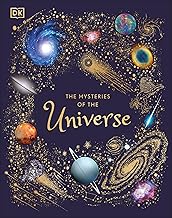
Authored by Will Gater, this DK anthology-style book curates engaging space mysteries, from black holes to distant exoplanets. It emphasizes curiosity, observation, and critical thinking, making it suitable for middle-grade readers and curious adults exploring space alongside kids. Visuals and concise explanations help readers grasp big concepts without feeling overwhelmed.
The Ultimate Space Facts for Kids, Teens, & Adults

Written by Ethereal Ray, this title aims to blend accessibility with depth, presenting a broad spectrum of cosmic facts, records, and mysteries. It’s designed to engage readers across ages, with visually engaging layouts and bite-sized sections that reward quick reads and deeper dives alike. Ideal for family reading sessions and personal study alike.
1,000 Facts About Space

Dean Regas presents a compact, information-dense collection of space facts, organized to support quick lookups and curious questions. The format is ideal for curious kids who want rapid answers, as well as students preparing for science projects. Clear diagrams and approachable language help make astronomy tangible and fun.
If You Had Your Birthday Party on the Moon

Joyce Lapin teams with Simona Ceccarelli to present a playful, imaginative look at a lunar birthday party. The book blends humor with basic space facts, encouraging kids to dream big while learning about the Moon, its distances, and the fun of space exploration. The illustrated narrative supports emergent readers and storytime discussions alike.
Buying Guide: Space Books for Kids
- Age-Appropriate Depth: Choose titles that match the child’s reading level and curiosity. Picture books work best for younger readers, while illustrated guides suit elementary and middle-school readers.
- Illustrations and Layout: Vivid art and clear diagrams help retention. Look for books that combine visuals with short, engaging text blocks.
- Scope and Focus: Some books introduce the solar system; others explore cosmic mysteries or space facts. Determine whether you want a broad primer or a deep dive into specific topics.
- Series and Brand Trust: Reputable science publishers and authors often provide reliable information and age-appropriate explanations.
- Format and Reusability: Hardcover, paperback, and interactive formats can affect engagement. Consider books with activities or quizzes to reinforce learning.
- Complementary Materials: Look for titles that pair well with hands-on activities, like planet models, space-themed crafts, or citizen science projects.
- Language Accessibility: Some books emphasize storytelling, while others rely on facts and charts. Choose a balance that supports both reading development and science comprehension.
- Multigenerational Appeal: Books that adults can read aloud to younger children encourage shared learning and discussions about space.
- Representation and Diversity: Seek titles that present space exploration through diverse scientists and characters to foster inclusivity.
- Durability and Longevity: For guides used in classrooms or busy households, durability matters. Consider reprint qualities and age-appropriate content longevity.